Lay Betting on Greyhounds: Opposing Favourites
 Available in US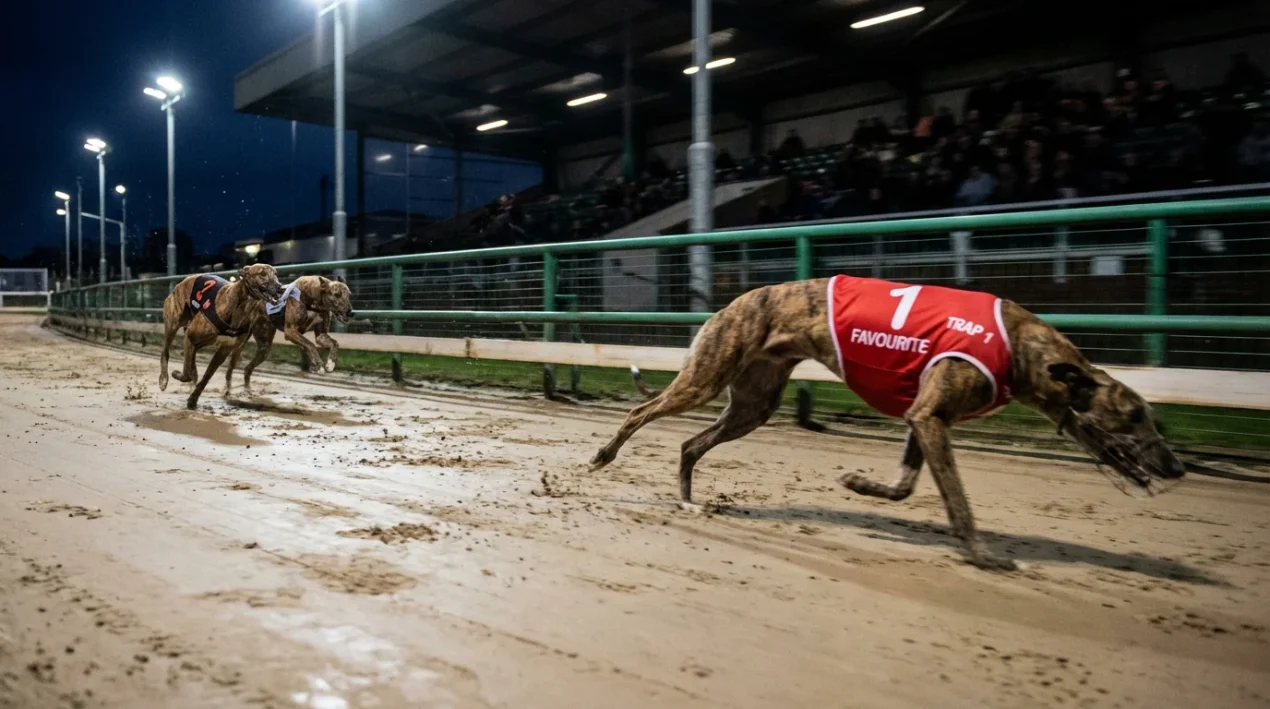
Contents
Betting That a Dog Will Lose
Traditional betting asks which dog will win. Lay betting asks a different question: which dog will lose? On a betting exchange like Betfair, you can oppose any selection in the market, effectively becoming the bookmaker for that particular outcome. When the dog you lay fails to win, you collect the backer’s stake. When it wins, you pay out their winnings. Find more exchange guides at greyhoundbettingstrat.
This reversal opens opportunities that conventional bookmaker betting cannot access. A greyhound priced at 2/1 that you believe has only a 25% chance of winning — rather than the 33% implied by the odds — represents value to oppose. The exchange lets you act on that assessment directly rather than searching for an alternative selection to back.
Greyhound racing suits lay betting well. Six-dog fields mean even strong favourites lose more often than casual observation suggests. Short-priced dogs attract heavy backing from recreational punters who equate short odds with certainty. The result is frequent market overreaction to favourites, creating opportunities to lay dogs whose prices are shorter than their actual chances warrant.
Lay betting carries different risks than backing. When you back a dog, your maximum loss is your stake. When you lay a dog, your maximum loss is the payout you would owe if the dog wins — which can be several times larger than the stake you receive. Understanding and managing this liability is essential before placing a single lay bet.
How Lay Betting Works on Exchanges
On an exchange, every bet requires two parties: someone backing a selection and someone laying it. The exchange matches these opposing positions and takes a commission from the winner. When you place a lay bet, you are accepting the back bet of another user and agreeing to pay them if the selection wins.
Liability is the key concept. When you lay a dog at 3.0 (2/1 in fractional terms) for a ten-pound stake, your liability is twenty pounds — the amount you owe the backer if the dog wins. You receive their ten-pound stake if the dog loses. Your risk is twenty pounds; your reward is ten pounds. The ratio is the inverse of what the backer faces.
The exchange displays lay odds slightly higher than back odds. If a dog is available to back at 2.9, it might be available to lay at 3.0. This spread represents the market’s natural friction and gives both sides a tiny disadvantage relative to the midpoint price. For lay bettors, this means the dog must lose more often than the lay odds imply for the bet to be profitable long term.
Commission reduces your winnings further. Betfair charges between 5% and 7% on net winnings, depending on your discount tier. A ten-pound winning lay bet returns ten pounds minus commission — roughly nine pounds fifty pence at 5% commission. Factor this into your calculations: the edge you think you have shrinks after commission is applied.
Liquidity in greyhound markets varies. Major UK tracks have reasonable depth; smaller meetings may have limited liquidity, making it difficult to place large lay bets or to get matched at your desired odds. Check the available money before assuming you can execute your intended position. A perfect lay opportunity that cannot be matched is worthless.
Finding Vulnerable Favourites
Profitable lay betting requires identifying dogs whose odds are shorter than their actual winning chances justify. A 2/1 favourite with a true 40% chance of winning offers no lay value — the market has priced it correctly. The same dog at evens, implying a 50% chance against its actual 40% probability, becomes an attractive lay.
Trap-style mismatches produce frequent lay candidates. A confirmed railer drawn in Trap 5 or 6 faces significant first-bend traffic. Its recent form may look strong, but those results came from inside traps where its running style could express itself. The market often fails to adjust sufficiently for unfavourable draws, leaving short-priced dogs vulnerable.
Grade rises create another filter. A dog stepping up in grade after a streak of wins at lower levels is now facing faster opponents. The recent wins attracted money, compressing its price, but the new opposition represents a meaningful test. Not every grade rise fails, but the probability of losing is higher than recent form suggests.
Returning dogs warrant scrutiny. After injury, season break, or extended absence, a dog’s fitness and sharpness are uncertain. Markets tend to price returners based on their peak form rather than their likely current condition. The first race back is often a lay opportunity, particularly if the dog attracted strong support before the absence.
Pace conflicts within a race can undermine favourites. If the favourite is a front-runner and two other early-pace dogs are drawn inside it, the first bend will feature crowding that disproportionately affects the dog trying to lead. Reading the pace map before the market moves is essential: by post time, obvious conflicts may already be reflected in the price.
Weather and track conditions matter. A favourite with a strong dry-track record facing its first wet surface is a genuine unknown. Going conditions affect greyhounds as significantly as they affect horses, yet the market often underweights condition preferences because fewer punters track this data systematically.
Managing Lay Liability
Because liability can exceed your stake by a factor of two, three, or more, lay betting demands stricter risk management than backing. A ten-pound back bet risks ten pounds. A lay bet at odds of 4.0 for ten pounds risks thirty pounds. Treat liability, not stake received, as your true exposure.
Unit sizing should reference liability rather than backer’s stake. If your standard risk per bet is twenty pounds, your lay positions should produce twenty pounds of liability regardless of the odds. At 3.0, that means laying roughly ten pounds. At 5.0, you lay only five pounds. This approach keeps your actual risk constant across different prices.
Avoid laying at short odds unless you have exceptional confidence. A lay at 1.5 means you risk only fifty pence for every pound you stand to win if the dog loses. But a dog at 1.5 is expected to win roughly two-thirds of the time. Your strike rate for successful lays must be very high to overcome the unfavourable risk-reward ratio.
Laying at longer odds offers better liability ratios but lower win probabilities for the backer. A lay at 6.0 risks five pounds to win one pound if the dog loses. You will win this bet roughly five times out of six on average, but the losses when they come consume several winners’ worth of profit. Balance is essential: moderate odds between 2.5 and 4.0 typically offer the best combination of strike rate and liability ratio.
Set a daily liability cap just as you would a daily loss limit. When your cumulative open liability reaches a predetermined ceiling, stop placing new lay bets until existing positions settle. This prevents one bad session from generating runaway exposure.
The Other Side of the Market
Lay betting transforms your relationship with greyhound racing. Instead of asking which dog will win, you ask which dog is overpriced. Instead of needing a winner, you need only a loser. The psychological shift takes adjustment: celebrating when a favourite fails feels strange at first, but it becomes natural with practice.
The market is not stupid. Favourites are favourites for reasons — they have form, they have draw advantages, they have trainer support. Opposing them profitably requires genuine insight, not contrarian stubbornness. A lay bet that simply fades every favourite will lose steadily to the dogs that win at short prices.
Combine lay betting with your broader form analysis. Use it when your assessment diverges from the market’s assessment in a specific, identifiable way. A favourite with a trap disadvantage, a grade rise, or a fitness question represents actionable lay criteria. A favourite that simply seems beatable is not enough. Also explore our exchange betting guide.
Lay betting is not easier than backing. It requires the same form study, the same discipline, and the same respect for variance. What it offers is flexibility: the ability to act on negative opinions about selections rather than limiting yourself to positive ones. In a six-dog race, the ability to oppose one dog often proves more valuable than the ability to pick the winner.
