
Greyhound Stayers Betting: Long Distance Race Strategy
 Available in US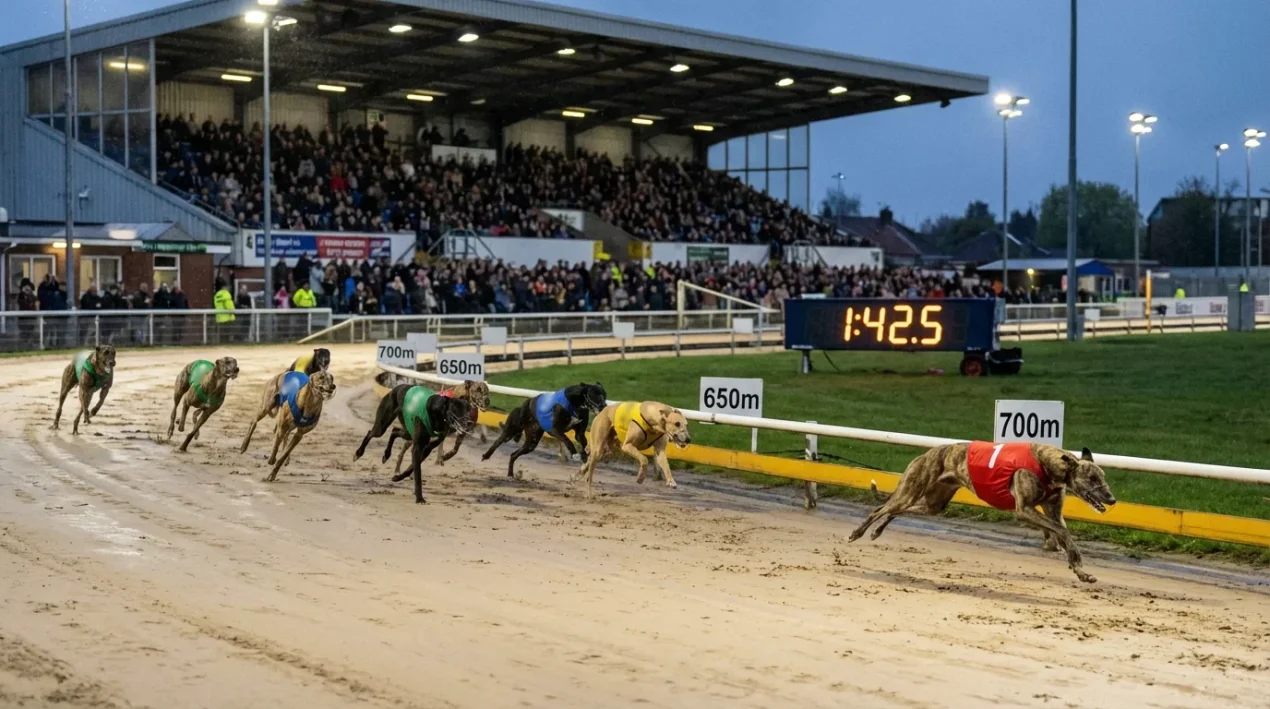
Contents
Where Stamina Beats Speed
Staying races reverse the priorities of sprint betting. Over distances of 640 metres and beyond, raw trap speed matters less than the ability to maintain pace through multiple bends and finish strongly when others are tiring. The explosive greyhound that dominates at 280 metres may struggle to complete 700 metres without fading. Different races demand different dogs. Find more strategy guides at greyhoundbettingstrat.
UK tracks offer various staying distances. Standard stayers races run around 640 to 700 metres. Marathon events extend to 840 metres or beyond, representing a genuine test of endurance that only certain greyhounds can meet. Each step up in distance places additional demands on stamina and race management.
Stayers betting attracts fewer casual punters, which can create opportunity. The markets are typically less efficient than for standard distances, and the form factors are less obvious to those who have not studied them. For punters willing to learn what makes a staying greyhound tick, distance racing offers a specialised niche worth exploring.
What Defines a Staying Greyhound
Staying greyhounds share physical and behavioural characteristics that distinguish them from sprinters. They tend to be slightly heavier, with builds that favour sustained effort over explosive acceleration. Their running action is efficient rather than flashy — they conserve energy through smooth movement that pays dividends in the final stages of a long race.
Breeding matters for stayers. Certain bloodlines produce dogs with natural stamina; others produce pure speed that does not translate to distance. Experienced punters note the sire and dam of potential stayers, recognising names associated with proven stamina. A dog whose pedigree includes successful stayers has a genetic foundation for distance racing.
Racing history reveals staying potential. Dogs that finish strongly over middle distances — picking up ground in the final straight even when not winning — often make successful stayers. The closing speed that looks ordinary over 480 metres becomes valuable over 700 metres, where front-runners tire and closers can overhaul them.
Trial performances provide additional evidence. Before racing competitively at staying distances, dogs typically trial over the course. Trial times and, more importantly, how the dog finishes the trial indicate whether the distance suits. A dog that clocked a moderate time but was still running on at the finish may be better suited to the distance than one with a faster time who was struggling at the end.
Temperament contributes to staying success. Stayers cannot afford to waste energy fighting for position or becoming agitated at traffic. The relaxed dog that settles into a rhythm and conserves effort for when it matters is more likely to last the distance than the keen, front-running type that burns out after the first circuit.
Pace Versus Stamina
The central tension in stayers races is between early pace and closing stamina. Dogs that lead early expend energy establishing position; dogs that settle behind conserve energy for later. Over longer distances, this trade-off becomes decisive. A fast early pace benefits closers who can inherit the lead when front-runners tire; a slow early pace suits leaders who have not burned their reserves.
Reading the pace map is essential for stayers analysis. Identify which dogs in the field are confirmed front-runners, which prefer to settle, and which can adapt to either style. A stayers race with multiple early-pace types will produce a fast gallop that should favour closers. A race with one front-runner and five closers may see that front-runner control the tempo and hold on.
Sectional analysis takes on different meaning in stayers races. Early sectionals matter less than middle and late sectionals. A stayer’s ability to maintain pace through the third and fourth bends — when fatigue accumulates and weaker stayers fade — is the key indicator. Compare dogs’ sectional times from the midpoint of the race onward to identify those with genuine stamina.
The final straight reveals stayers’ true quality. Watch replays with attention to how dogs finish. Some stayers are still picking up ground at the line; others are just holding position. The dog that is accelerating through the final fifty metres has untapped reserves and may produce more over longer distances or faster-run races.
Trap draw is less critical in stayers races than in sprints. With more time and distance to negotiate position, a wide draw is not necessarily fatal. A quality stayer drawn in Trap 6 can find a racing line over the first circuit and execute its race from there. Early disadvantage can be overcome by sustained effort in a way that sprints do not allow.
Betting Angles for Distance Races
Backing closers against early-pace fields offers consistent stayers value. When the pace map shows multiple front-runners likely to contest the early lead, the subsequent fast gallop sets up horses with stamina. Identify the best closer in the field and assess whether its price reflects the likely favourable scenario. Often, the market undervalues closers because recent form shows mid-pack finishes without recognising how race dynamics helped or hurt them.
Opposing tired stayers is a reliable angle. Dogs backing up from recent distance races may lack full recovery, particularly if those races were strongly run. A stayer returning within ten days of a demanding 700-metre race is a candidate for opposition. Fatigue accumulates, and the second effort over distance is often weaker than the first.
First-time stayers present mixed prospects. Some dogs discover a genuine talent for distance when stepped up; others find the trip beyond them. Without proven staying form, these dogs are speculative. Consider opposing them when other runners have demonstrated staying ability, or at least demand longer odds to compensate for the uncertainty.
Track-specific staying factors deserve attention. Some tracks ride faster over distance; others are demanding. Some tracks favour front-runners even over staying trips; others produce regular come-from-behind winners. Knowing your track’s staying characteristics helps calibrate analysis. A track where stayers leaders rarely hold on is different from one where leaders dominate regardless of distance.
Weight changes matter at staying distances. A dog carrying extra weight burns energy faster and may struggle in the closing stages. Weight increases before a staying race are more concerning than before a sprint. Check weight trends and treat significant gains with suspicion.
The Long Run Rewards Patience
Staying races reward punters who think differently. The obvious factors in sprint and standard-distance racing — trap speed, first-bend position — matter less here. Stamina, race management, and the ability to finish strongly when others are tiring become paramount. Adjusting your analysis to prioritise these factors is the foundation of profitable stayers betting.
The smaller betting pools in staying races create opportunity and risk. Less money in the market means prices can be less efficient, offering value to punters who analyse correctly. But it also means your bets move the market more easily, potentially degrading your own odds. Scale your stakes appropriately for thinner markets. Also read our greyhound sprint strategy.
Specialisation pays dividends in distance racing. Learning the staying characteristics of dogs at your focus tracks, understanding which trainers excel at preparing stayers, and recognising the running styles that thrive over longer distances creates compound knowledge. Over time, this specialised understanding produces edge that generalist punters cannot match.
Distance racing is greyhound racing in slow motion — or at least slower motion. The races last longer, the decisions unfold over more ground, and the analysis demands attention to factors that sprints render irrelevant. For punters who enjoy that complexity, stayers betting offers a rich and underserved niche.
